

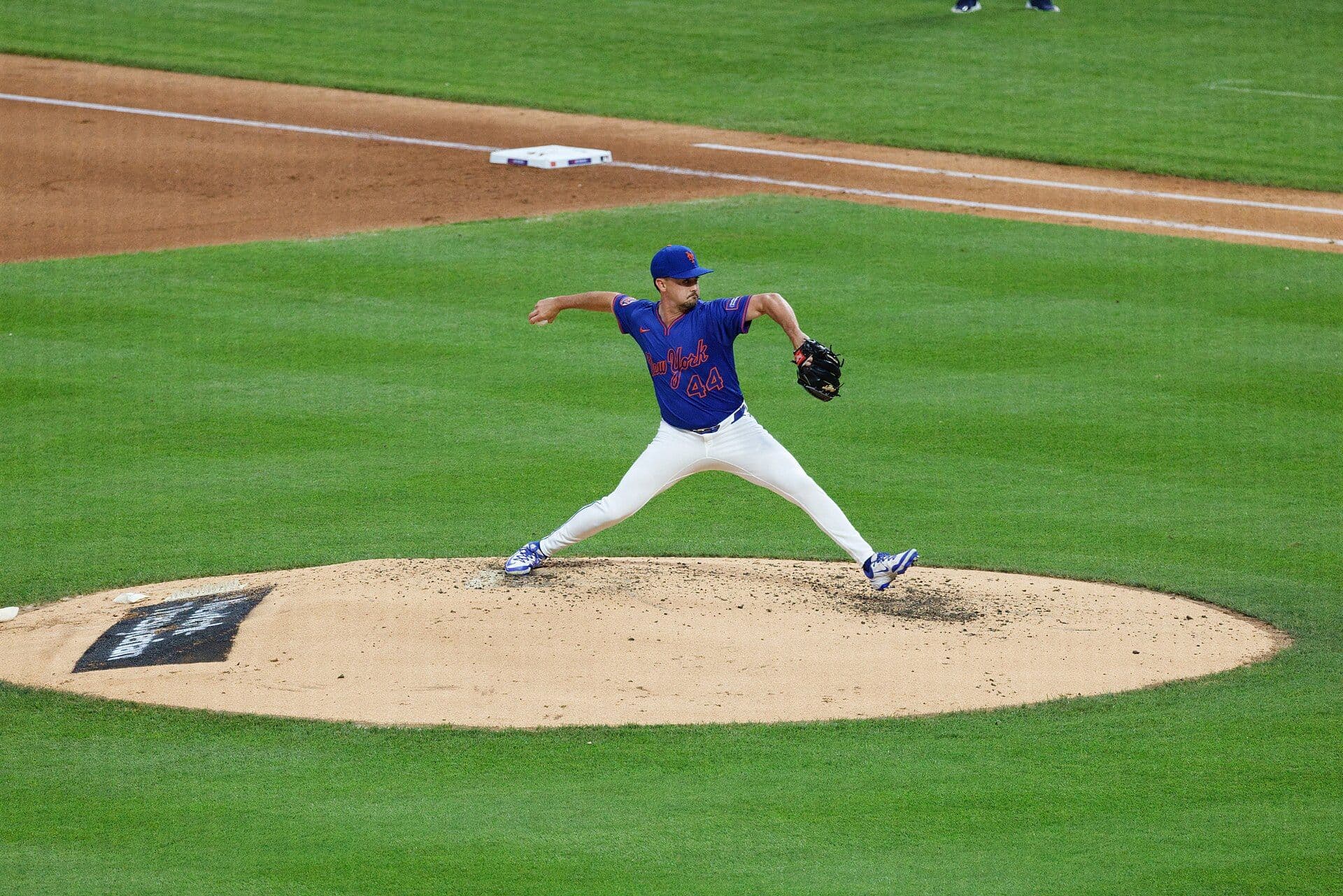
Every morning during baseball season, our daily trend board seems to feature at least one team whose games keep opening quiet. The market that tracks it is NRFI, and it's become one of the most popular ways to bet baseball without sweating all 9 innings. Here's the full picture: what it is, how it's priced, what actually decides it, and how to read an NRFI streak like a bettor instead of a tourist.
What NRFI means
NRFI stands for No Run First Inning. It's a yes/no market on a single question: does the 1st inning finish scoreless? Bet the NRFI and you need zeroes from both teams in the opening frame. The other side is the YRFI (Yes Run First Inning), which cashes the moment anyone crosses the plate in the 1st.
That's the whole bet. Nothing after the 1st inning matters. A 15-run slugfest still cashes the NRFI, as long as the scoring started in the 2nd.
How the market is priced
NRFI/YRFI is a two-way market, and the juice moves with the matchup. Two sharp starters in a pitcher's park pushes the NRFI price up; a launching pad with two shaky arms puts the tax on the YRFI side. Both sides usually live within shouting distance of even money, and our odds converter turns any quote into an implied win probability in one click.
One quirk of the market: because NRFI is bet-shaped, its results read like a record. That's why you'll see it written "Mariners games are 11-0 to the NRFI" rather than counted like a prop. As it happens, that was a real number: Seattle opened the second half of the 2026 season with the 1st inning scoreless in 11 straight games.
What actually decides the 1st inning
Four structural things, all knowable before first pitch:
- The starters, and specifically their 1st innings. A pitcher's season line and his opening-frame form can be 2 different stories, and this bet only cares about one inning of work from each guy.
- The top of both lineups. The 1st is the only inning guaranteed to feature both teams' best hitters, in order, every game. That's why it behaves differently from a random middle inning.
- The park. Zeroes are harder to find in hitter-friendly buildings. The same 2 starters profile differently in Coors Field than in a pitcher's park.
- The conditions. Day games, heat, and wind blowing out all change the math on a fly ball.
How to read an NRFI streak
An 11-0 NRFI run tells you what happened. The price tells you what the market expects tonight. Both matter, and neither is a promise.
Two habits keep you honest with this market:
- Check tonight's starters before trusting yesterday's streak. A team's NRFI run was built partly by specific pitchers, and tonight's arms might not be the ones who built it.
- Put the record next to the current price. A long streak at a heavy price and a shorter one at plus money are different conversations. Our boards always list both, and the EV calculator settles what any quote really pays.
NRFI's cousin: the F5
If your book doesn't post a first-inning market, the First Five (F5) family rides a similar wavelength: F5 Totals and F5 Money Lines settle on the first 5 innings, which keeps the bet focused on the starting pitchers and skips the bullpen chaos. Our betting terminology guide covers the whole F5 menu.
FAQ
What does NRFI stand for?
No Run First Inning. The bet wins if the 1st inning ends 0-0. YRFI is the opposite side: any run in the 1st, from either team, and it cashes.
What happens if the game is delayed or suspended?
Most books settle the market once the 1st inning is complete, and void it if the game never gets that far. House rules vary, so check how your book handles suspended games before you count on a grade.
Is NRFI betting profitable?
No market hands out guaranteed wins, this one included. Scoreless 1st innings are common league-wide, but prices are set with that baseline in mind. The work is in the matchup: the starters, the lineups, the park, and the number you're being asked to lay.
Where can I see current NRFI streaks?
Our MLB daily trend board is rebuilt every morning from our graded-results database, and the strongest NRFI runs on the slate are regulars there.
The 1st inning is 1 of 9, but it's the only one where you know exactly who's pitching and exactly who's hitting. That's why this market has a following. 21+ and please gamble responsibly.